80%
of businesses listed for sale never sell
<50%
Average owner captures less than 50% of potential value
3 to 5 Years
Exit planning takes 3 to 5 years done right
Asset-Heavy Businesses Have a Transferability Problem Nobody Talks About.
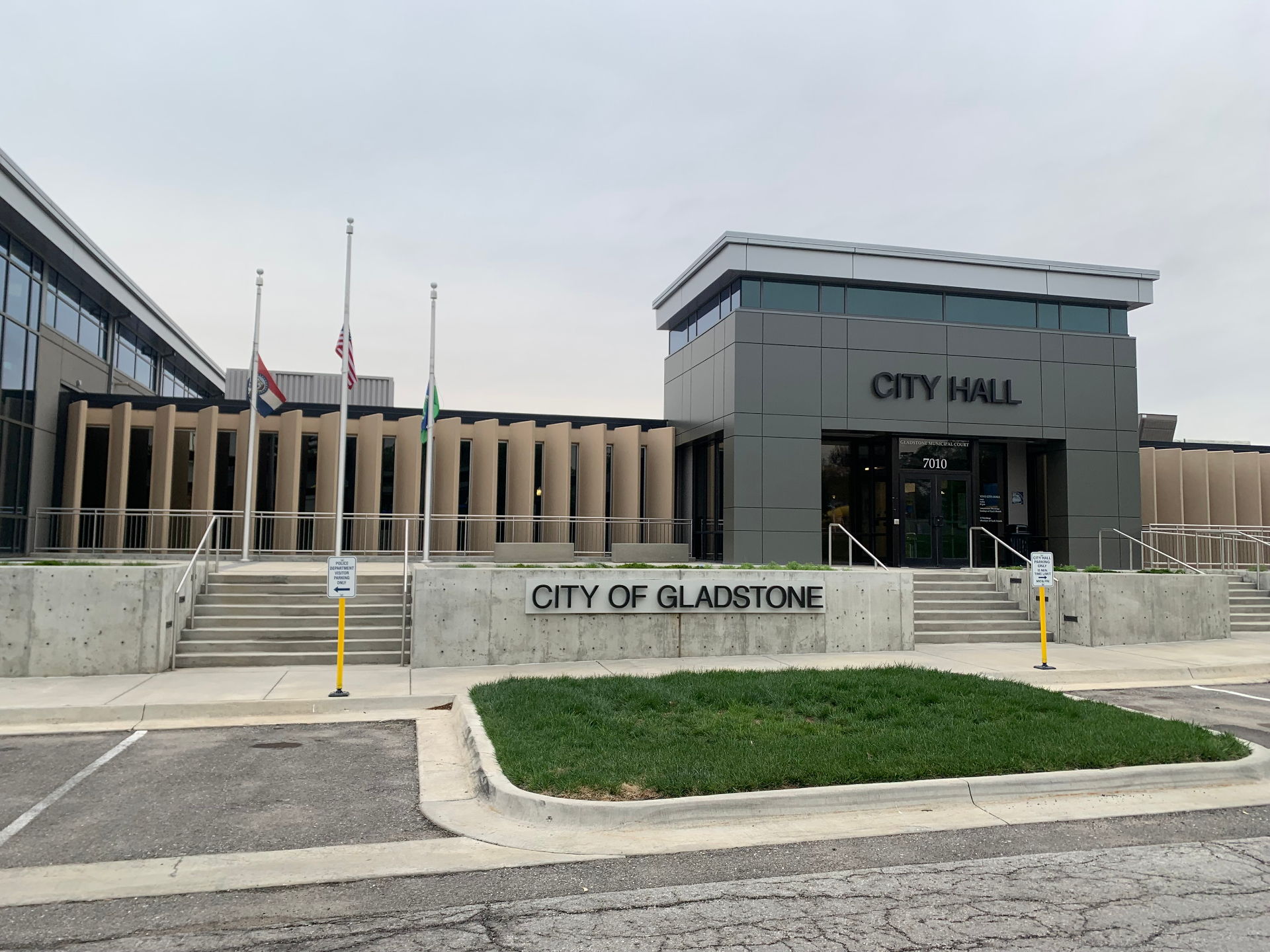
Gladstone and the broader Northland corridor have a strong concentration of manufacturing, industrial, and trade businesses — companies with real equipment, real infrastructure, and real revenue. But equipment value and business value are two different things. Buyers don't pay for assets. They pay for systems, recurring revenue, and operations that run without the owner. Most industrial businesses in this market haven't built that yet.
Who We Work With in Gladstone
We work with Gladstone founders running manufacturing, industrial, and trade businesses generating $250K to $20M. These are operationally complex businesses where the owner is usually the operator, the estimator, and the key relationship holder. Getting exit-ready means building the systems that replace all three.
- →Light manufacturing and fabrication
- →Industrial services and maintenance
- →Construction and specialty contractors
- →Equipment and fleet operations
- →B2B trade and supply businesses
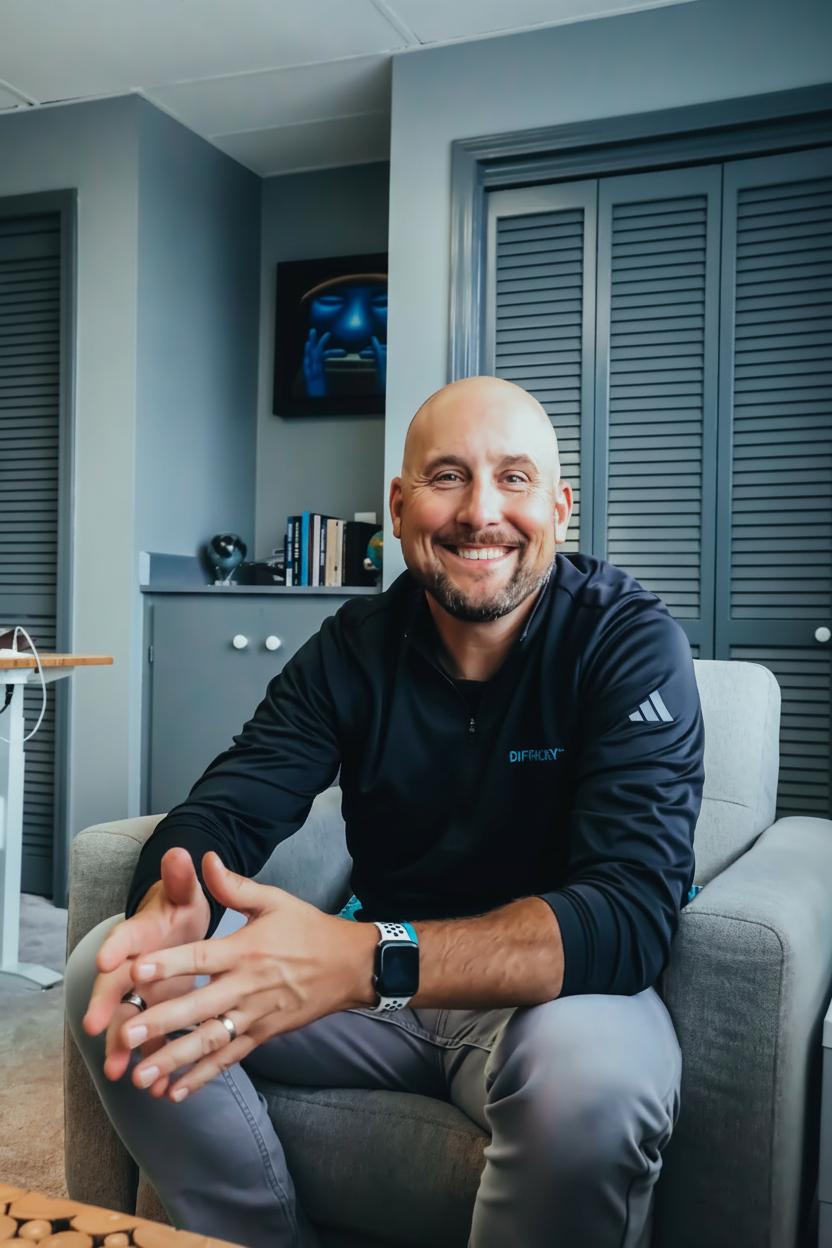
30 Years in Kansas City. I Know This Market.
Kansas City is the biggest small town there is. Everybody knows everybody. In Gladstone, in Liberty, in KC North. I've been in this business community for 30 years. The industrial and manufacturing founders I meet in the Northland have usually built something with real operational depth. What they often haven't built is documentation, systems, and leadership that can run without them. That's the gap between an asset sale and a business sale.
Kevin Oldham | CEPA | Certified Value Builder | Accredited Value Guide | Lee's Summit, MO
Verify CEPA credential →
Why This Work Matters to Me
My mom ran a skateboard shop called Square One in Topeka. She poured years of her life into it. When it closed, there was nothing to show for it. No equity, no exit, no return on what she built. That's not a business. That's a job with a sign on the door.
That's what happens to most founders. Not because they didn't work hard. Because nobody helped them build something transferable. I started Diffactory to change that.
Kevin Oldham, CEPA
What's Suppressing Your Business Value?
Every business scores across 8 drivers of value. Most owner-dependent companies score below 50. Here's where value leaks.
Financial Performance
Growth Potential
Switzerland Structure
Valuation Teeter-Totter
Recurring Revenue
Monopoly Control
Customer Satisfaction
Hub & Spoke
Certified. Tested. Kansas City-Based.
Certified Value Builder
Value Builder System
Accredited Value Guide
Advanced value assessment
30+ Companies
Angel investor through BetaBlox since 2014
"Diffactory's knowledge put us in a position to reach markets that we hadn't ever reached before. They were worth 10 times what we paid them."
Dave & Jacci Brattin, Exited Owners, Armstrong-Citywide Hardwood Flooring
"I thought I was on the right path. I was actually on a path to chaos. Diffactory helped me systemize our agency, remove the 'Adam does everything' bottleneck, and turn what I had into a business with real, transferable assets."
Adam McChesney, Founder, Builders of Authority
How We Help Gladstone Founders
Frequently Asked Questions
Why isn't equipment value the same as business value?
Buyers pay for systems, recurring revenue, and operations that run without the owner, not for assets alone. Equipment gets you an asset sale. Systems get you a business sale.
How long does exit planning take for a Gladstone business owner?
Most founder-led businesses need 3 to 5 years of preparation to exit well. The earlier you start, the more options you have.
Do I have to be ready to sell to work with Diffactory?
No. Most of our clients aren't selling anytime soon. They're building a business that gives them options, whether that's selling, stepping back, or passing it on.
What types of Gladstone businesses do you work with?
Founder-led businesses generating $250K to $20M. Manufacturing, industrial services, construction, trade contractors, and B2B operations.
How is Diffactory different from a business broker?
Brokers sell businesses. We build them into something worth selling, before a broker is ever in the picture. Most clients work with us 2 to 5 years before a transaction.
60-day money-back guarantee on Masters program
Free assessment — no sales call required
Based in Lee's Summit, serving the entire KC metro